WHAT IS QUANTUM?
Classical computers store information as bits — a strict 0 or 1. Quantum computers use qubits, which can exist in a superposition of both states at once, and can be entangled so that qubits become correlated no matter how far apart they are.
By manipulating these quantum properties with precisely tuned operations called quantum gates, we can explore many possibilities simultaneously — unlocking new approaches to chemistry, optimization, cryptography, and machine learning.
It isn't magic, and it doesn't replace classical computers. It's a fundamentally different way of processing information, built on the strange rules that govern the universe at its smallest scale.
Core Domains in Quantum
Quantum science spans a handful of distinct, connected fields
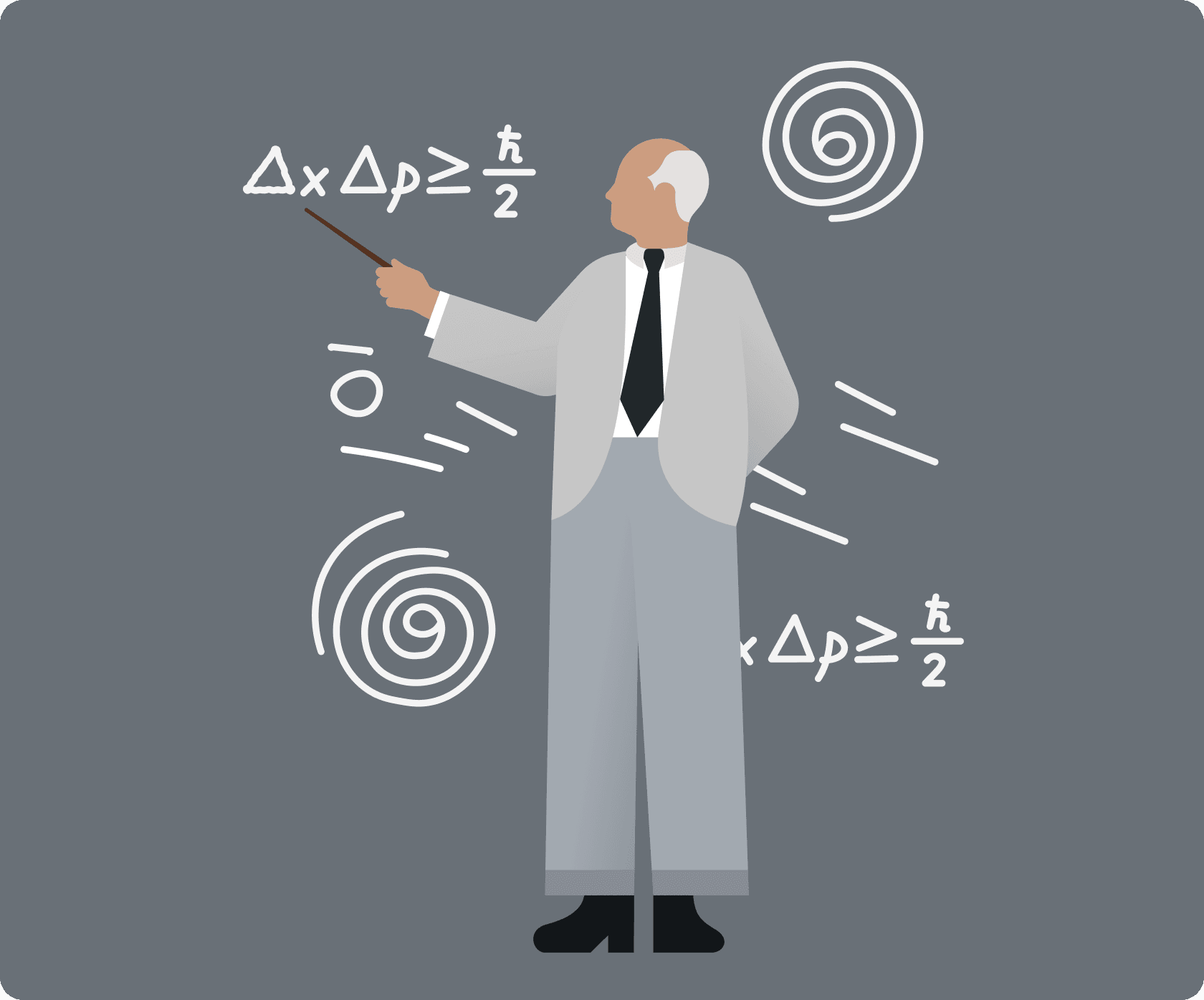
Quantum Physics & Theory
The foundational principles — wave functions, uncertainty, and the mathematics that govern the quantum world.
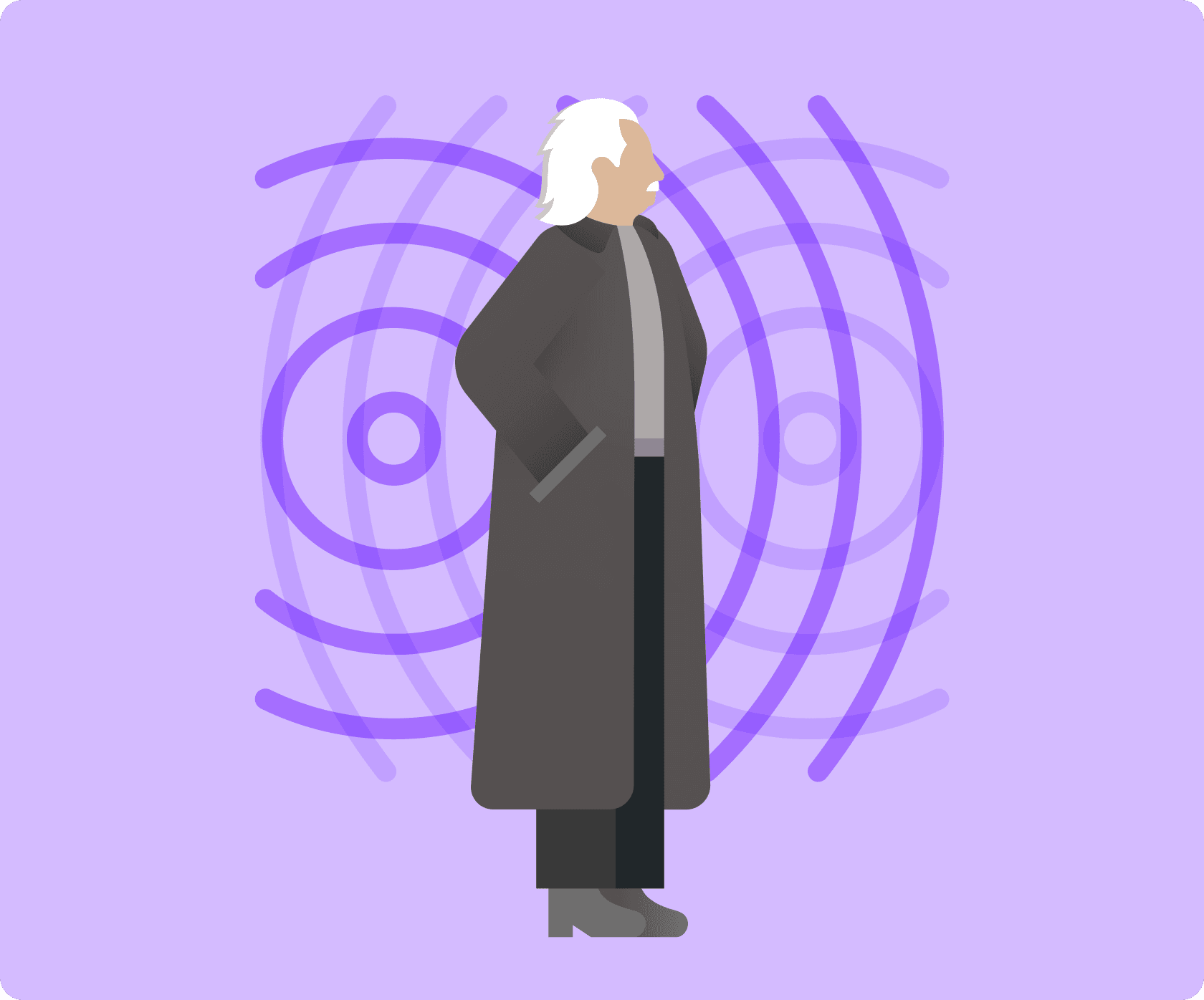
Quantum Sensing & Metrology
Harnessing quantum precision to measure time, gravity, and fields far beyond classical limits.

Quantum Computing
Programming qubits and quantum circuits to tackle problems classical computers struggle with.

Quantum Information
Exploring superposition, measurement, and the paradoxes that make quantum mechanics so strange.
Key Concepts
Ten ideas that take you from "what's a qubit?" to the quantum era
Meet the Qubit
What makes a quantum bit different?
A classical bit is always a strict 0 or 1. A qubit — built from a superconducting circuit, a trapped ion, or a photon — is governed by quantum mechanics instead, giving it abilities no classical bit has, like superposition and entanglement.
A real Qiskit snippet — hit Run to see the circuit it builds.
GETTING STARTED
Ready to go beyond theory? The best way to learn quantum computing is to write and run real quantum circuits.
Start with IBM Quantum Learning for guided courses, spin up your first circuit on the IBM Quantum Platform, and follow along with Qiskit's documentation as you build.
Then join us at Qiskit Fall Fest Nairobi — our workshops walk you through every step, from your first qubit to your first quantum program.
Inside a Quantum Computer
The IBM Quantum cryostat — cooling qubits colder than outer space
Interactive experience from IBM Quantum. If it doesn't load, use this link to view it directly.
This interactive experience needs a larger screen — view it on a tablet, laptop, or desktop.